

Brewing with heart. A journey through new generations of vinegar to explore the profound and mysterious culture of vinegar.

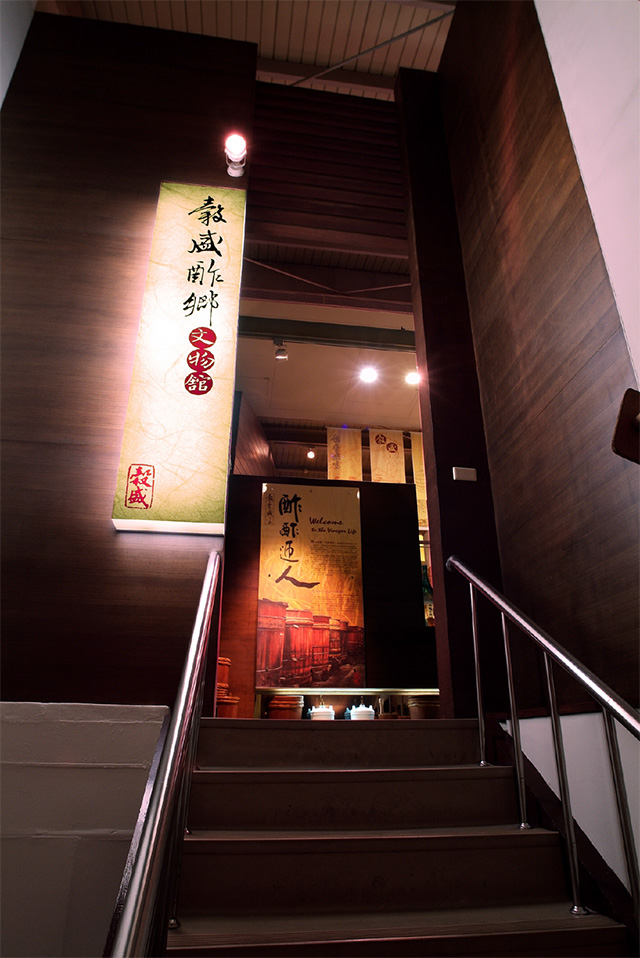
The Chinese nation has a long history of food and vinegar culture. Based on the use of cultural heritage and corporate responsibility to give back to society, For a long time, we have hoped to achieve the goal of cultural inheritance and exchange through on-site visits and interactions. This gave rise to the idea of establishing a museum, but the lack of actual artifacts prevented the realization of this ideal.
After much searching, a chance encounter led to the discovery of a collection of ancient wine-making and vinegar-making artifacts in Japan, finally bringing the museum project to fruition. Following three years of preparation and construction, the museum is now open to the public and has been officially named the "Tanimori Vinegar Village Museum." The museum aims to allow more people to explore the wonders of vinegar culture and develop sound dietary habits.
Anecdotes about vinegar
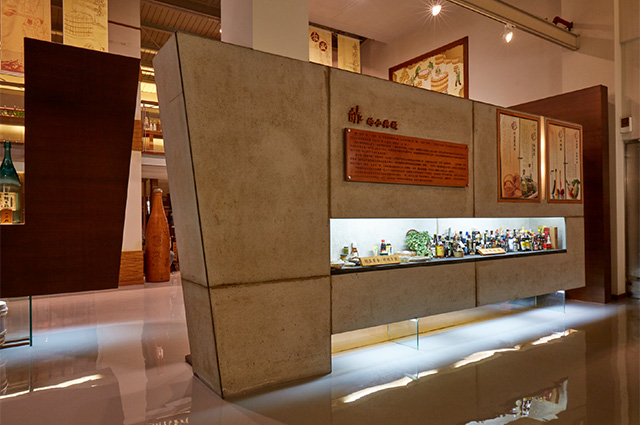
The past and present of glutinous rice
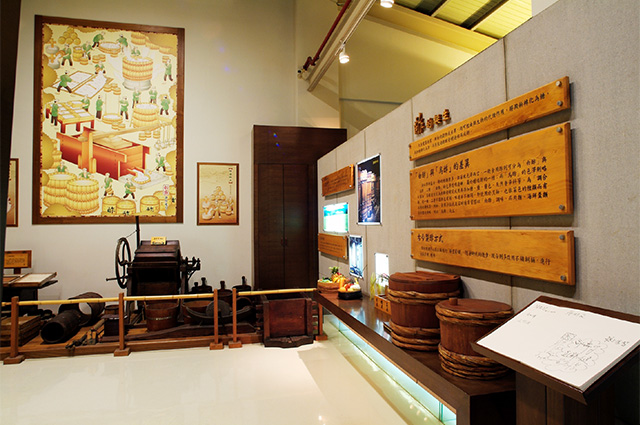
Zuoxiang Cultural Corridor
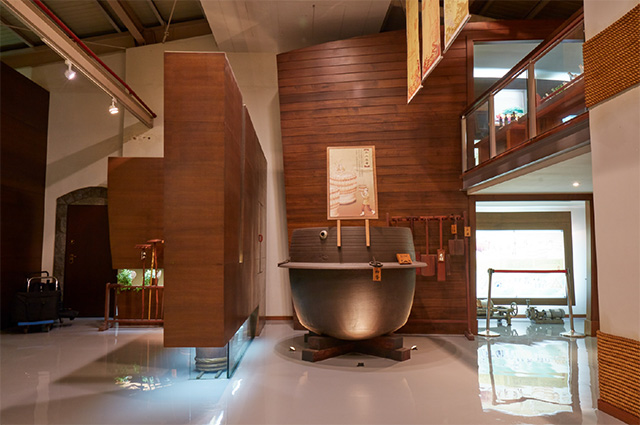
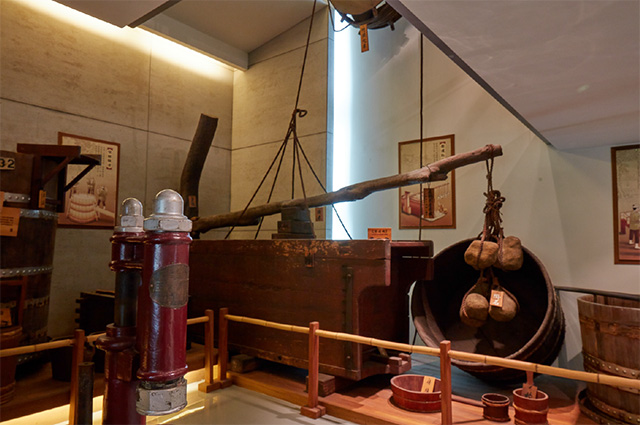
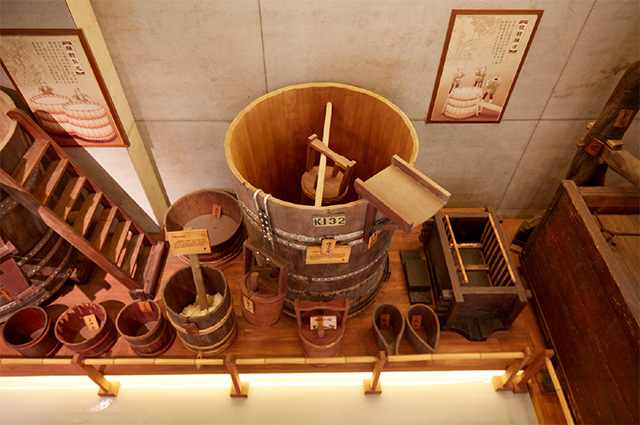
This batch of cultural relics includes a 150-year-old press, a large steamer for 1,000 people, and an antique vinegar with a history of over 70 years. Among them is a bottle of vinegar over 70 years old, made by Japanese individuals such as Katsuta Tsuneyoshi and Nakazawa Ryoji. It is made by fermenting rice wine mash (i.e., rice lees) using scientific methods. It has also been certified by the Taiwan Invention Association Foundation.
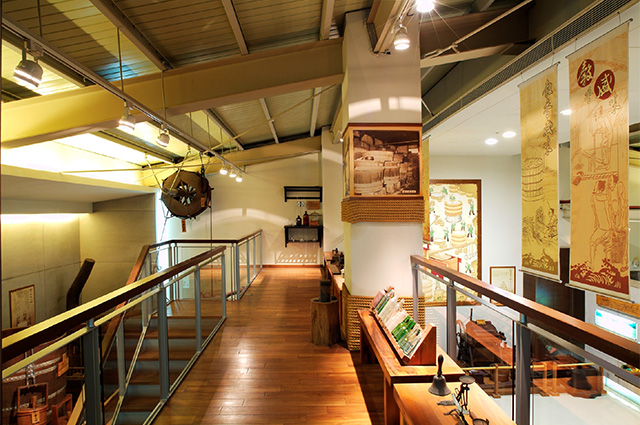
Despite their age, the museum's collection consists of genuine artifacts and remains well-preserved to this day.
Along the walls of the museum, you can find information about "vinegar," including "the origin of vinegar, the difference between black vinegar and white vinegar, the fermentation method of vinegar, the difference between traditional and modern vinegar brewing, and vinegars from around the world." The museum also features information on vinegar-related foods and posters explaining the vinegar-making process in stages, fully showcasing the traditional vinegar-making process and culture. A visit to the "Gusheng Vinegar Village Cultural Relics Museum" will make you feel as if you are in an encyclopedia of vinegar knowledge.
In addition to static artifacts, the museum also features a "Multi-Interactive Briefing Room." Film screenings and live teaching demonstrations are provided for visiting groups. The event allows participants to make their own "fruit vinegar" or create a uniquely flavored salad or red yeast rice-based healthy dish through an engaging and fun teaching method. This will give you a deeper understanding of the food culture of the Chinese nation.
Visiting hours: 8:00 AM to 5:00 PM (Closed on Saturdays, Sundays and public holidays). Group reservations are accepted only. Please call (05)220-4911 or leave a message on the "Contact Us" page of our website.
The museum will provide professional guided tours.
用心純釀.用新傳承
酢的巡禮一窺酢文化的博大精深與奧妙


我們的企業責任
中華民族食酢文化由來已久
基於對文化傳承的使用與企業回饋社會的責任,長久以來我們始終期望藉由實地參訪、互動的方式而達到文化傳承與交流的目的,因此興起成立文物館的想法,卻限於實品文物的不足而未能將理想落實。
幾經尋覓,一次偶然的機緣下,在日本覓得一批古代製酒、製酢文物,至此終於讓文物館計畫塵埃落定。在長達三年的籌備與興建工程後,文物館終於可以和社會大眾見面,並正式命名為「穀盛酢鄉文物館」,希望藉文物館的成立,讓更多民眾得以一窺酢文化的奧妙,並建立正確的飲食生活觀念。

酢的小典故

酢的古往今來

酢鄉文化走廊

此批文物包括150年前的壓榨機、千人份大蒸鍋、70餘年歷史的陳年古酢等
其中更典藏一瓶70餘年酢,由日本人「勝田常芳、中澤亮治」等人,以米酒醪蒸餾液(即酒粕),經科學方法處理醱酵而成,並獲得財團法人台灣發明協會之認證。
雖然年代久遠,文物館中的收藏都是真材實料,迄今依然保存良好。

沿著文物館牆面
均可看到「酢」的相關介紹,包含「酢的由來、烏酢與白酢的差異、酢的醱酵法、傳統釀酢與現代釀酢的差異、世界酢醰、酢類相關食品」等,亦有分階段說明的製酢流程海報,完整呈現傳統製酢流程與文化。走一趟「穀盛酢鄉文物館」,讓您彷若置身於酢典百科全書中

除了靜態的文物之外
館內還設有「多元互動簡報室」,針對參訪團體提供影片欣賞與現場教學示範,讓民眾自己DIY製作「水果酢」或調味出一盤別具風味的生菜沙拉或紅麴養生料理,以寓教於樂的教學方式,讓您對中華民族的食酢文化有更深刻的了解。